
The Anatomy of a Perfect Shirt
Most people buy shirts for color or trend. That’s surface thinking. A perfect shirt is engineering. It’s structure, proportion, fabric science, and precision tailoring working together. If one element is off, the entire piece fails—no matter how expensive it is.
Let’s break it down properly.
1. Fabric: The Foundation
For both men’s and women’s shirts, fabric is non-negotiable. A perfect shirt starts with the right material for its purpose.
For formal wear, long-staple cotton is superior. It’s smoother, stronger, and resists pilling. For daily wear, cotton blends with a small percentage of elastane offer mobility without distorting shape. Linen works in hot climates but wrinkles aggressively—great for relaxed aesthetics, terrible for sharp structure.
The weave matters as much as the fiber. Poplin is crisp and professional. Twill drapes better and hides wrinkles. Oxford is durable but slightly heavier. If you don’t understand weave, you’re guessing.
2. Fit: Precision Over Comfort Excuses
People confuse “comfortable” with “loose.” That’s laziness.
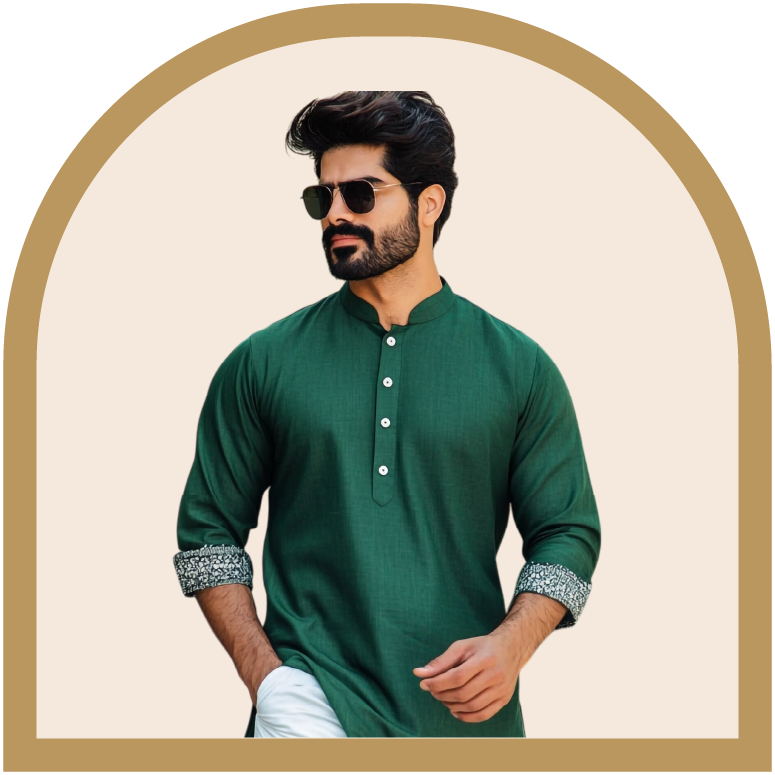
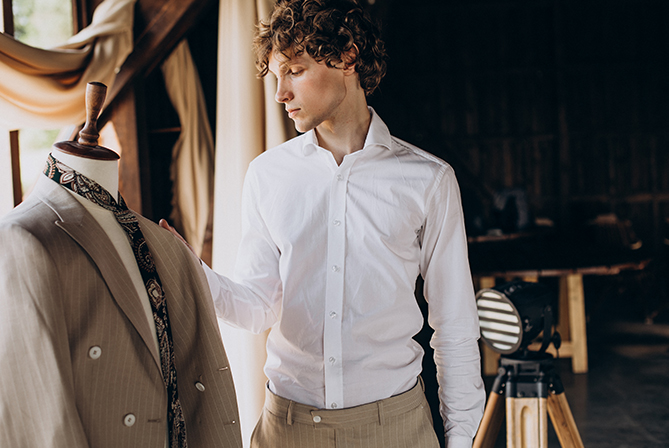
A perfect men’s shirt should follow the shoulder line exactly—no drop, no pulling. The sleeve should end at the wrist bone. There should be enough room to move, but not enough to balloon when tucked.
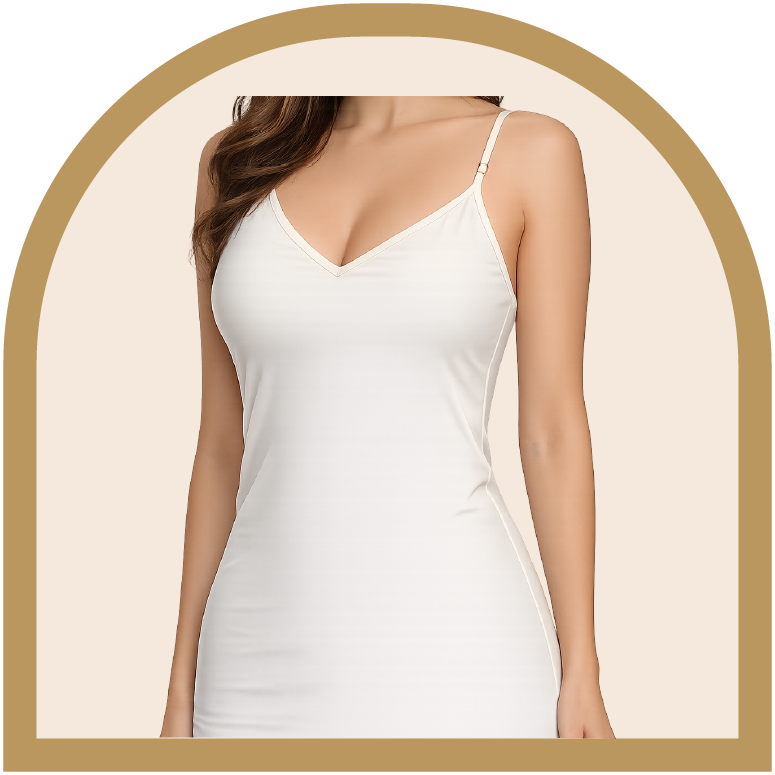
For women’s shirts, fit is even more technical. Bust shaping must be accurate; otherwise, buttons gape. Darts or princess seams define structure. The waist should taper without creating tension lines. If fabric strains across the chest or bunches near the lower back, it’s not tailored properly.
Fit is architecture. If the foundation is wrong, styling cannot fix it.
3. Collar and Neckline: Framing the Face
In men’s shirts, the collar defines formality. A spread collar suits wider faces and works under blazers. A point collar sharpens narrow frames. The collar must sit flush against the neck without collapsing.
In women’s shirts, neckline options expand—classic collars, mandarin styles, V-necks, concealed plackets. The goal remains the same: frame the face and balance proportions. Oversized collars overwhelm petite frames. Tiny collars look awkward on broader shoulders.
4. Stitching and Construction: Where Quality Hides
Look at the stitching per inch. Higher density means durability. Seams should lie flat. Patterns should align across plackets and pockets. Buttons must be securely cross-stitched, ideally reinforced with a shank for movement.
Cheap shirts fail here. Loose threads, misaligned hems, uneven cuffs—these are signs of rushed production.
5. Cuffs and Sleeves: Functional Detail
Men’s shirts typically use barrel or French cuffs. The cuff should close cleanly without excess fabric folding over the hand. Sleeve pitch (the angle of attachment) should follow natural arm posture. Poor sleeve pitch creates twisting.
Women’s shirts vary more—roll tabs, flared cuffs, tailored button cuffs. But the principle remains: mobility without distortion.
6. Proportion and Length
A formal men’s shirt must be long enough to stay tucked during movement. Casual shirts can be shorter but must hit mid-fly for balance.
Women’s shirts must consider torso length and styling intent. Cropped styles require precision; too short looks accidental. Too long destroys silhouette.